Irene Butter (geboren Hasenberg, Berlijn, 1930) is een Duits-Amerikaans emeritus hoogleraar in Economische Wetenschappen aan de Universiteit van Michigan.
Als Joods kind overleefde ze in haar jeugd een dramatische Holocaust-tocht van Amsterdam via Westerbork naar Bergen-Belsen. Dankzij een door haar vader geregisseerde gevangenenruil kon ze het concentratiekamp achter zich laten voor het vervolg van haar reis, die haar via Zwitserland, Frankrijk en Algerije eind 1945 in de Verenigde Staten bracht.
Butter overleefde een verblijf in het het concentratiekamp Bergen-Belsen, waarnaar zij in februari 1944 vanuit Amsterdam via Westerbork was afgevoerd. In het kamp ontmoette zij bekenden uit de Joodse buurt in Amsterdam, te weten de vriendinnen Hanneli Goslar en Anne Frank.
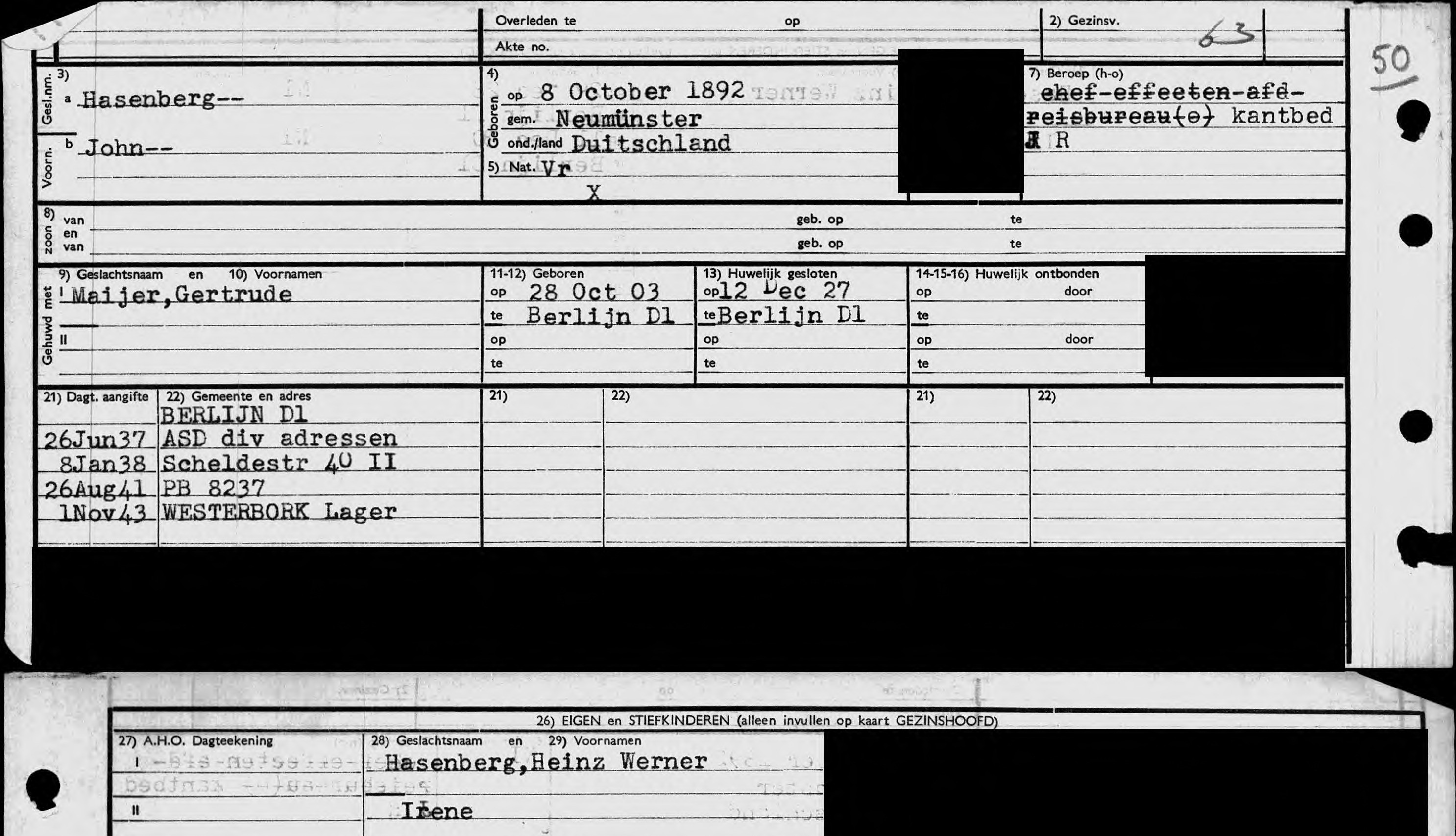
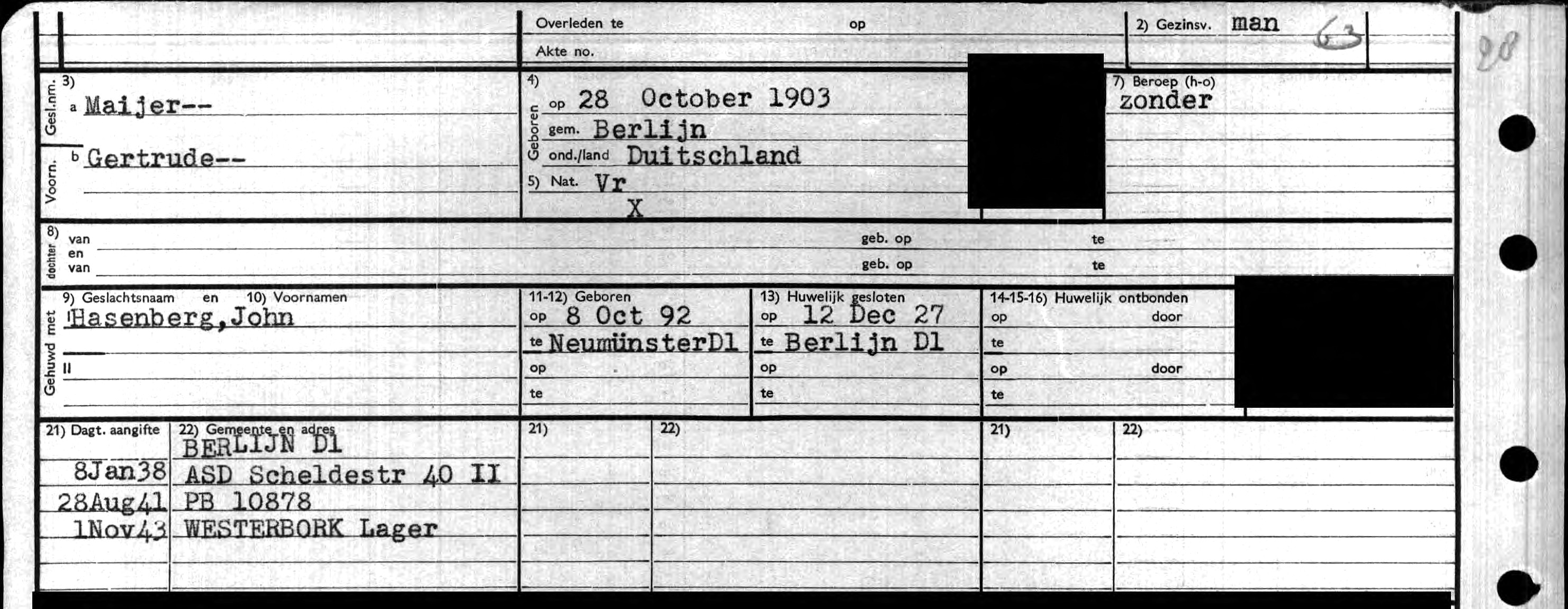
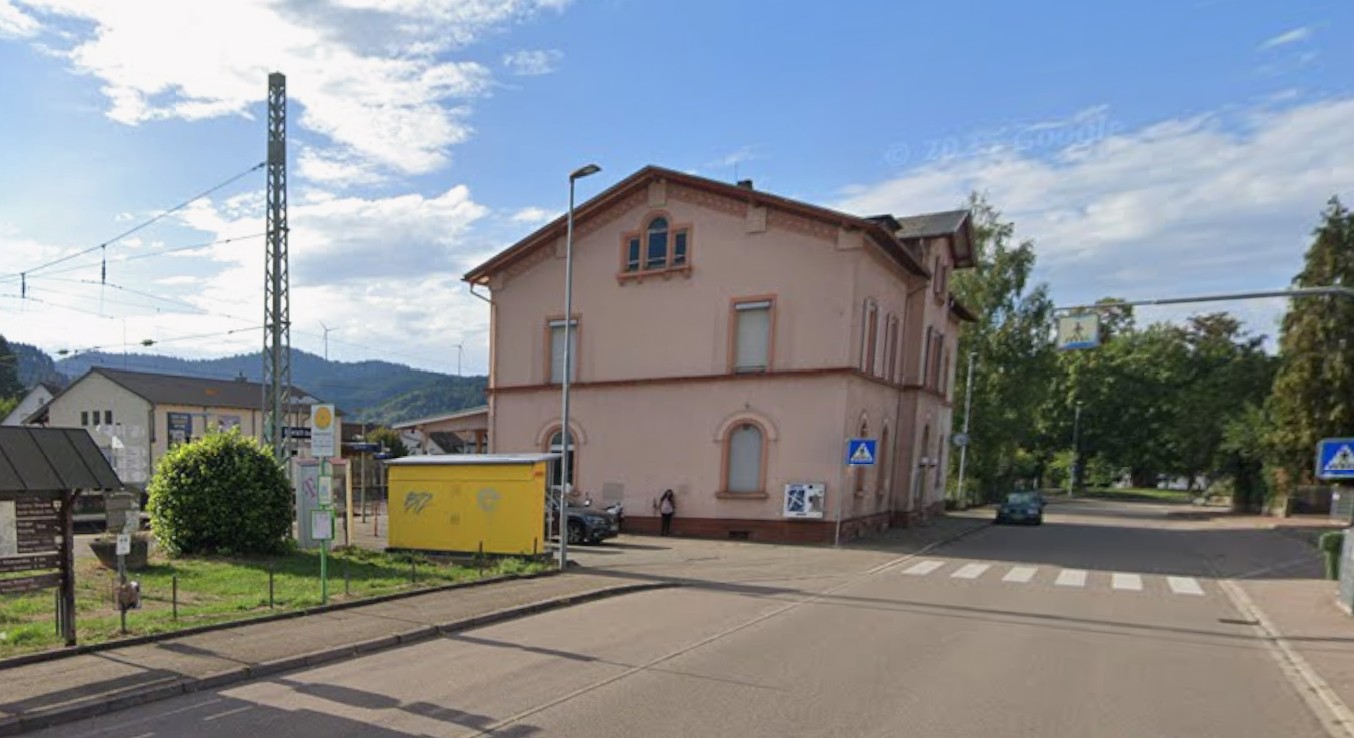
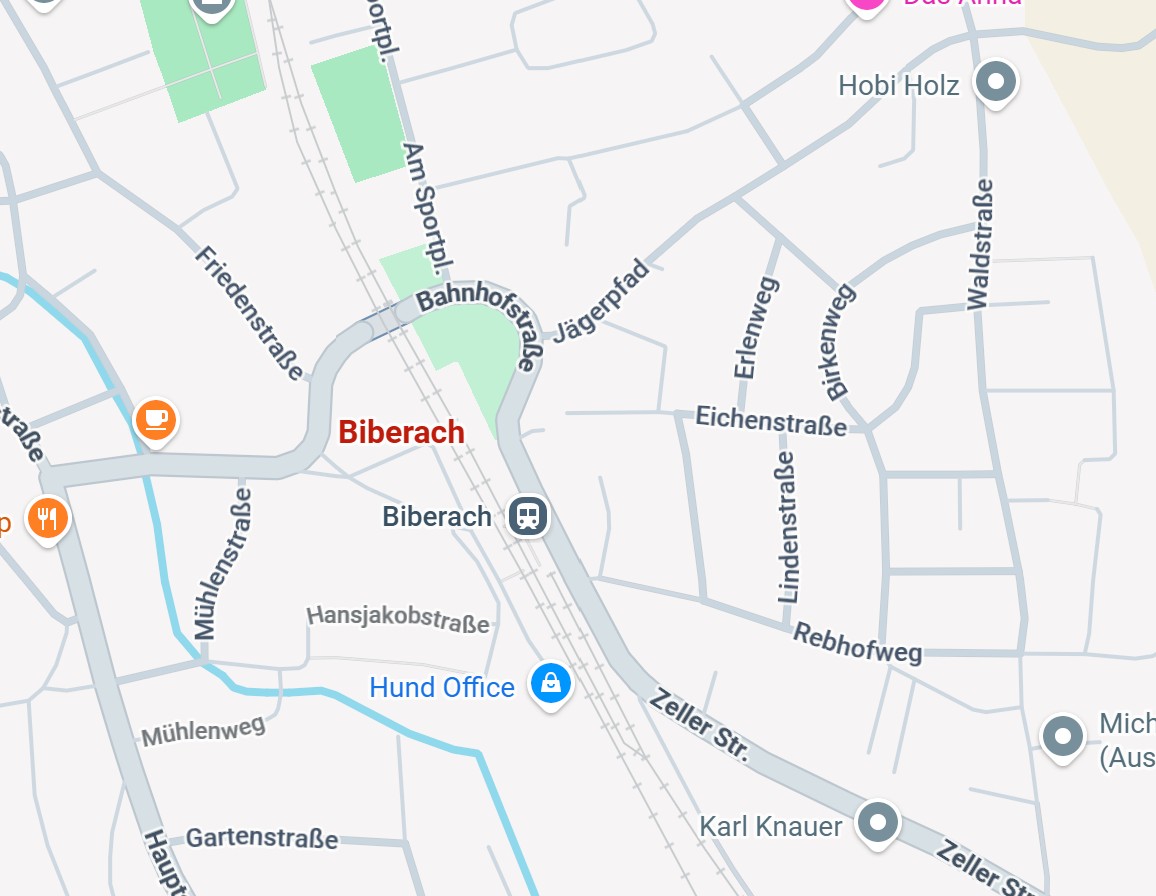
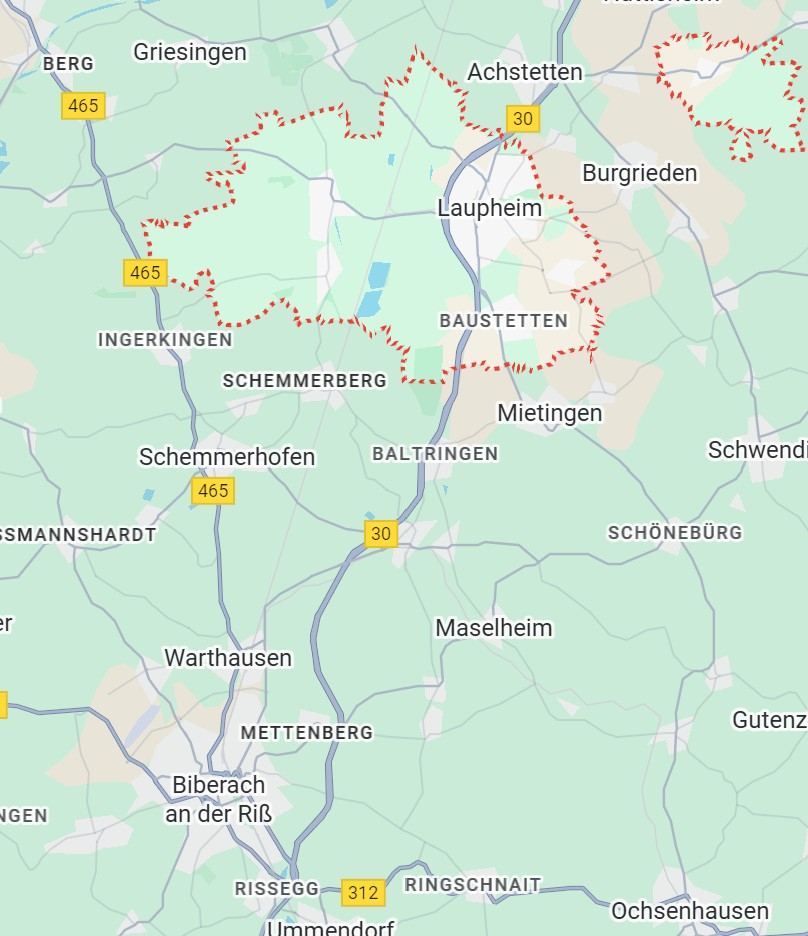
In januari 1945 ontkwamen Irene, haar broer Werner en haar moeder Gertrude aan het ergste, dankzij een paspoortenruil die haar vader met een Zweedse zakenconnectie had weten te regelen. Zo belandden de gezinsleden uiteindelijk via Zwitserland, Frankrijk en Algerije in de Verenigde Staten. Pijnlijk genoeg met uitzondering van haar vader, de bankier John Hasenberg, wiens dode lichaam na mishandeling en de erbarmelijke omstandigheden in het kamp door de Duitsers was achtergelaten op het station van Biberach (Baden).
In een Algerijns vluchtelingenkamp van de UNRRA hervond Irene haar gezinsleden en herstelde zij aldaar van haar geestelijke en lichamelijke ontberingen. Daar in Noord-Afrika sloot ze nieuw vriendschappen en werd ze verliefd op ene Lex. Evenals andere evacués zette zij koers naar de Verenigde Staten. Aan de vooravond van Kerstmis 1945 arriveerde zij per Liberty (scheepstype) in de haven van Baltimore. Een half jaar later werd ze herenigd met haar moeder Gertrude en broer Werner, die de overtocht naar de Verenigde Staten per vliegtuig maakten.
Immigrante Irene gaf op voortvarende wijze prioriteit aan haar scholing in haar nieuwe vaderland. Zij doorliep allereerst de Queens College high school in New York. Vervolgens behaalde ze een Ph.D. in economische wetenschappen aan de Duke University in Durham University (North Carolina). Na het afronden werd Irene, evenals haar man Charlie Butter, hoogleraar economische wetenschappen aan de University of Michigan.
Sinds haar aankomst in de V.S. had Irene gemeend er verstandig aan te doen om te zwijgen over haar oorlogservaringen in Europa. Daarin kwam verandering toen haar dochter Pamela als high school leerling vertelde dat zij een project ging doen over de Holocaust. Het leidde ertoe dat ze haar verhaal deed niet alleen aan Pamela, maar aan hele klas.
Enkele jaren daarna werd zij gevraagd mee te doen aan een paneldiscussie over Anne Frank. Omdat deze (wereldberoemde) lotgenote het niet had overleefd en zij wel, voelde Irene zich bij nader inzien verplicht haar verhaal toch te vertellen. Ze ging in meer scholen optreden en voor grotere gezelschappen spreken.
Ze was ze mede-initiator van de Wallenberg-lezingen van de Universiteit van Michigan. Behalve dit vredeswerk doet zij nog mee aan Zeituna. een Arabisch-Joodse dialoog-groep van vrouwen. In aanloop naar 4 mei 2022 zei ze parallellen te zien met betrekking tot de Oorlog in Oekraïne.
I was born Irene Hasenberg in 1930 and lived in Berlin for the first six and a half years of my life with my Pappi (John), Mutti (Gertrude), and brother Werner. Most people called me Reni.
My childhood in Germany was wonderful. I spent most of my time with friends and family, including my loving grandparents. We worked in their garden, visited the zoo, and shopped. I was spoiled, and unaware of the political upheaval around me.
Things really started to change when the Nazis took away the family business–a bank–and gave it to non-Jews. Feeling that things would only get worse my Pappi looked for work outside the country. This was a hard decision and not just because of the business. My family had lived in Germany for generations. My father had fought for Germany during the First World War.
My Pappi found a new job with American Express in Amsterdam. Feeling this was far enough from the growing Nazi threat, he moved us there in 1937. We were not alone. Other Jews fled Germany, like Anne Frank and her family who moved to the same Amsterdam neighborhood. Anne was two years older than me, but we had mutual friends and I knew enough of her to look up to her.
Our first few years in the Netherlands were comfortable, but we had not moved far enough. In 1940 Germany invaded and once again we were under Nazi oppression.
As Jews, our rights were continuously restricted, and we heard of Jews being rounded up and sent to camps. Of course, this was happening wherever the Nazis were in control. My grandparents, still in Germany, were taken away to Theresianstadt concentration camp in 1942 and we never saw them again.
In winter 1943 we were rounded up and held at the Jewish Theater in Amsterdam. My father's connections saved us, and we were some of the few to be allowed to go home. My Pappi doubled his efforts to save us, including getting in touch with a Swedish man about Ecuadorian passports.
Before we could get the passports, we were rounded up again on June 20, 1943 and sent to Westerbork transit camp, a stopover for Dutch Jews before being sent to extermination camps.
While Westerbork was not an extermination camp, it was terrifying, especially every Monday night when the names of those being sent to extermination camps would be read aloud. The goal was to stay off those trains, and again Pappi's connections helped. At the same time a surprise package arrived: our Ecuadorian passports.
The passports didn't allow us freedom, but they did give us a different status. Officials knew the passports were not valid, but the Germans needed prisoners to trade for German prisoners held by the Allies. Pappi said the passports might keep us alive.
We managed to stay in Westerbork longer than most, but eventually we were put on a train in February 1944 for Bergen-Belsen, which was a far worse place. We were greeted by snarling dogs and brutal guards. The lack of food, overcrowding, slave labor, and poor health conditions took their toll. My family got sick and couldn't get better, especially Mutti.
By January 1945 things were bleak. Mutti was confined to bed, Pappi was very weak, and Werner had a serious foot infection. My best friend in the camp was Hanneli Goslar, who was also from Amsterdam. One day she was shocked to learn that her best friend from Amsterdam, Anne Frank, was in Bergen-Belsen. Anne was in neighboring section of the camp, but we could meet with her at the barbed wire fence. Anne and her sister were very sick so we offered to collect what clothing we could and throw it over to her. We did, but before Anne could get it another woman stole the package.
We told Anne that we would return the next night, but that wasn't to be for me. The Germans announced that my family was to finally be exchanged, and was to board a train the next day. We came close to not making it. Mutti was so sick that we were almost kept back, but then a miracle: I was confused for Mutti and we were declared healthy enough to depart.
But freedom came at a horrible cost. Pappi was beaten soon before we left, and two days out of Bergen-Belsen he died. His body was left at the train station in Biberach, Germany.
In Switzerland, Mutti and Werner were rushed to the hospital, and I was declared healthy enough to keep going. Against my wishes, I was put on a train for Marseilles and then a ship for Algeria. The Swiss did what even the Nazis never did: they tore apart my family.
We were sent to a refugee camp, Camp Jeanne d'Arc, where we ate, healed, and absorbed the warmth of the sun, but I was depressed, suffering from the death of my Pappi and uncertain as to the health of my Mutti and brother.
Slowly I healed and opened my heart. I finally received word that Mutti and Werner would live. I gained weight, discovered swimming, and made new friends, including a love, Lex.
With the war's end, displaced persons, including Lex, made their way home and I was one of handful refugees left in north Africa. In the late fall I boarded an American Liberty ship and sailed for the United States, arriving in Baltimore harbor on Christmas Eve, 1945. Mutti and Werner flew to the States and we were reunited six months later.
Upon arrival, I was told not to talk about my experience so I focused on high school, graduating from Queens College in New York City, and becoming one of the first women to earn a Ph.D. in economics from Duke University.
I met another student, Charlie Butter, and fell in love. We married, had two children, and became professors at the University of Michigan. Through most of those decades I didn't talk about my experience.
When my daughter Pamela was in high school she said she was doing a project on the Holocaust. Would I share my story? I did with her class. Then a few years later I was invited to participate on a panel about Anne Frank. Since Anne was no longer with us to share her story, I realized the importance of my responsibility in speaking of what we had endured. With a larger and more public audience, I fully found my voice. I started visiting more and more schools and was moved by how much the audiences, especially students, appreciated my story. I pursued peace work, cofounding the University of Michigan Wallenberg lectures and Zeituna, an Arab-Jewish women's dialog group.
I didn't ask to go through the Holocaust, but I was saved through the miracles of luck and the love and determination of my Pappi. I owe it to him and everybody who suffered to talk about what I learned because suffering never ends, so our work must continue.
Als Joods kind overleefde ze in haar jeugd een dramatische Holocaust-tocht van Amsterdam via Westerbork naar Bergen-Belsen. Dankzij een door haar vader geregisseerde gevangenenruil kon ze het concentratiekamp achter zich laten voor het vervolg van haar reis, die haar via Zwitserland, Frankrijk en Algerije eind 1945 in de Verenigde Staten bracht.
Butter overleefde een verblijf in het het concentratiekamp Bergen-Belsen, waarnaar zij in februari 1944 vanuit Amsterdam via Westerbork was afgevoerd. In het kamp ontmoette zij bekenden uit de Joodse buurt in Amsterdam, te weten de vriendinnen Hanneli Goslar en Anne Frank.
In januari 1945 ontkwamen Irene, haar broer Werner en haar moeder Gertrude aan het ergste, dankzij een paspoortenruil die haar vader met een Zweedse zakenconnectie had weten te regelen. Zo belandden de gezinsleden uiteindelijk via Zwitserland, Frankrijk en Algerije in de Verenigde Staten. Pijnlijk genoeg met uitzondering van haar vader, de bankier John Hasenberg, wiens dode lichaam na mishandeling en de erbarmelijke omstandigheden in het kamp door de Duitsers was achtergelaten op het station van Biberach (Baden).
In een Algerijns vluchtelingenkamp van de UNRRA hervond Irene haar gezinsleden en herstelde zij aldaar van haar geestelijke en lichamelijke ontberingen. Daar in Noord-Afrika sloot ze nieuw vriendschappen en werd ze verliefd op ene Lex. Evenals andere evacués zette zij koers naar de Verenigde Staten. Aan de vooravond van Kerstmis 1945 arriveerde zij per Liberty (scheepstype) in de haven van Baltimore. Een half jaar later werd ze herenigd met haar moeder Gertrude en broer Werner, die de overtocht naar de Verenigde Staten per vliegtuig maakten.
Immigrante Irene gaf op voortvarende wijze prioriteit aan haar scholing in haar nieuwe vaderland. Zij doorliep allereerst de Queens College high school in New York. Vervolgens behaalde ze een Ph.D. in economische wetenschappen aan de Duke University in Durham University (North Carolina). Na het afronden werd Irene, evenals haar man Charlie Butter, hoogleraar economische wetenschappen aan de University of Michigan.
Sinds haar aankomst in de V.S. had Irene gemeend er verstandig aan te doen om te zwijgen over haar oorlogservaringen in Europa. Daarin kwam verandering toen haar dochter Pamela als high school leerling vertelde dat zij een project ging doen over de Holocaust. Het leidde ertoe dat ze haar verhaal deed niet alleen aan Pamela, maar aan hele klas.
Enkele jaren daarna werd zij gevraagd mee te doen aan een paneldiscussie over Anne Frank. Omdat deze (wereldberoemde) lotgenote het niet had overleefd en zij wel, voelde Irene zich bij nader inzien verplicht haar verhaal toch te vertellen. Ze ging in meer scholen optreden en voor grotere gezelschappen spreken.
Ze was ze mede-initiator van de Wallenberg-lezingen van de Universiteit van Michigan. Behalve dit vredeswerk doet zij nog mee aan Zeituna. een Arabisch-Joodse dialoog-groep van vrouwen. In aanloop naar 4 mei 2022 zei ze parallellen te zien met betrekking tot de Oorlog in Oekraïne.
I was born Irene Hasenberg in 1930 and lived in Berlin for the first six and a half years of my life with my Pappi (John), Mutti (Gertrude), and brother Werner. Most people called me Reni.
My childhood in Germany was wonderful. I spent most of my time with friends and family, including my loving grandparents. We worked in their garden, visited the zoo, and shopped. I was spoiled, and unaware of the political upheaval around me.
Things really started to change when the Nazis took away the family business–a bank–and gave it to non-Jews. Feeling that things would only get worse my Pappi looked for work outside the country. This was a hard decision and not just because of the business. My family had lived in Germany for generations. My father had fought for Germany during the First World War.
My Pappi found a new job with American Express in Amsterdam. Feeling this was far enough from the growing Nazi threat, he moved us there in 1937. We were not alone. Other Jews fled Germany, like Anne Frank and her family who moved to the same Amsterdam neighborhood. Anne was two years older than me, but we had mutual friends and I knew enough of her to look up to her.
Our first few years in the Netherlands were comfortable, but we had not moved far enough. In 1940 Germany invaded and once again we were under Nazi oppression.
As Jews, our rights were continuously restricted, and we heard of Jews being rounded up and sent to camps. Of course, this was happening wherever the Nazis were in control. My grandparents, still in Germany, were taken away to Theresianstadt concentration camp in 1942 and we never saw them again.
In winter 1943 we were rounded up and held at the Jewish Theater in Amsterdam. My father's connections saved us, and we were some of the few to be allowed to go home. My Pappi doubled his efforts to save us, including getting in touch with a Swedish man about Ecuadorian passports.
Before we could get the passports, we were rounded up again on June 20, 1943 and sent to Westerbork transit camp, a stopover for Dutch Jews before being sent to extermination camps.
While Westerbork was not an extermination camp, it was terrifying, especially every Monday night when the names of those being sent to extermination camps would be read aloud. The goal was to stay off those trains, and again Pappi's connections helped. At the same time a surprise package arrived: our Ecuadorian passports.
The passports didn't allow us freedom, but they did give us a different status. Officials knew the passports were not valid, but the Germans needed prisoners to trade for German prisoners held by the Allies. Pappi said the passports might keep us alive.
We managed to stay in Westerbork longer than most, but eventually we were put on a train in February 1944 for Bergen-Belsen, which was a far worse place. We were greeted by snarling dogs and brutal guards. The lack of food, overcrowding, slave labor, and poor health conditions took their toll. My family got sick and couldn't get better, especially Mutti.
By January 1945 things were bleak. Mutti was confined to bed, Pappi was very weak, and Werner had a serious foot infection. My best friend in the camp was Hanneli Goslar, who was also from Amsterdam. One day she was shocked to learn that her best friend from Amsterdam, Anne Frank, was in Bergen-Belsen. Anne was in neighboring section of the camp, but we could meet with her at the barbed wire fence. Anne and her sister were very sick so we offered to collect what clothing we could and throw it over to her. We did, but before Anne could get it another woman stole the package.
We told Anne that we would return the next night, but that wasn't to be for me. The Germans announced that my family was to finally be exchanged, and was to board a train the next day. We came close to not making it. Mutti was so sick that we were almost kept back, but then a miracle: I was confused for Mutti and we were declared healthy enough to depart.
But freedom came at a horrible cost. Pappi was beaten soon before we left, and two days out of Bergen-Belsen he died. His body was left at the train station in Biberach, Germany.
In Switzerland, Mutti and Werner were rushed to the hospital, and I was declared healthy enough to keep going. Against my wishes, I was put on a train for Marseilles and then a ship for Algeria. The Swiss did what even the Nazis never did: they tore apart my family.
We were sent to a refugee camp, Camp Jeanne d'Arc, where we ate, healed, and absorbed the warmth of the sun, but I was depressed, suffering from the death of my Pappi and uncertain as to the health of my Mutti and brother.
Slowly I healed and opened my heart. I finally received word that Mutti and Werner would live. I gained weight, discovered swimming, and made new friends, including a love, Lex.
With the war's end, displaced persons, including Lex, made their way home and I was one of handful refugees left in north Africa. In the late fall I boarded an American Liberty ship and sailed for the United States, arriving in Baltimore harbor on Christmas Eve, 1945. Mutti and Werner flew to the States and we were reunited six months later.
Upon arrival, I was told not to talk about my experience so I focused on high school, graduating from Queens College in New York City, and becoming one of the first women to earn a Ph.D. in economics from Duke University.
I met another student, Charlie Butter, and fell in love. We married, had two children, and became professors at the University of Michigan. Through most of those decades I didn't talk about my experience.
When my daughter Pamela was in high school she said she was doing a project on the Holocaust. Would I share my story? I did with her class. Then a few years later I was invited to participate on a panel about Anne Frank. Since Anne was no longer with us to share her story, I realized the importance of my responsibility in speaking of what we had endured. With a larger and more public audience, I fully found my voice. I started visiting more and more schools and was moved by how much the audiences, especially students, appreciated my story. I pursued peace work, cofounding the University of Michigan Wallenberg lectures and Zeituna, an Arab-Jewish women's dialog group.
I didn't ask to go through the Holocaust, but I was saved through the miracles of luck and the love and determination of my Pappi. I owe it to him and everybody who suffered to talk about what I learned because suffering never ends, so our work must continue.
IRENE HASENBERG.

WEGGUM.COM

WEGGUM.COM
Railway station Biberach.